Recognize This Mustachioed Columbian?
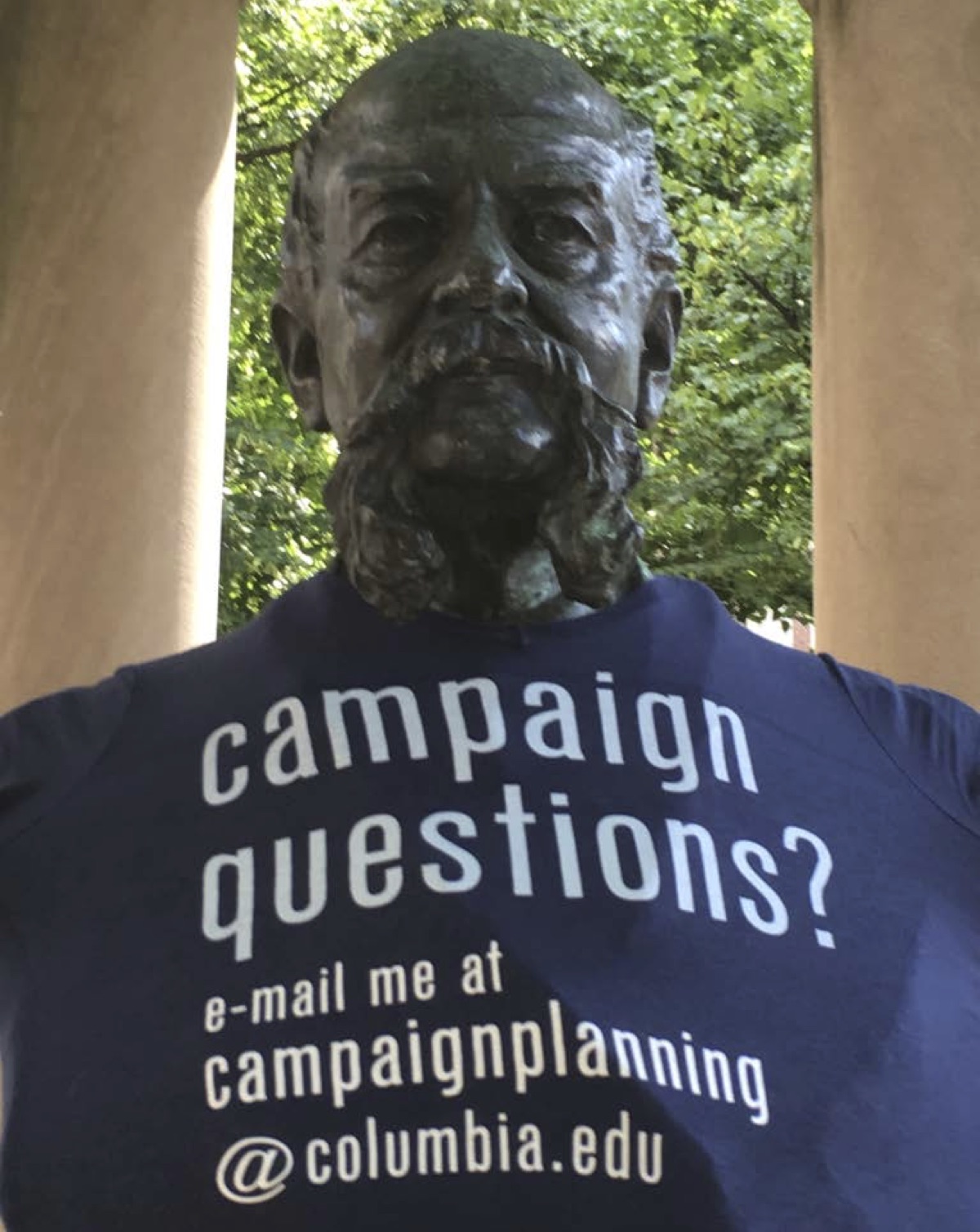 Do you know this Columbia notable? Send his name, why he is well-known, and where his bust is located on the Morningside Heights campus to campaignplanning@columbia.edu by Monday, November 14. Winners will be contacted via e-mail.
September Countdown Contest Winners
Jessica Sain-Baird (program coordinator of annual fund programs) shares her VIP visit to NASA and Linda Ury Greenberg (director of marketing research) recommends summer reading: Brain on Fire by Susannah Cahalan.
Linda Ury Greenberg, Director of Marketing Research, Marketing and Communications:
My summer reading, Brain on Fire by Susannah Cahalan, is a fascinating personal account of the author’s bout with an autoimmune  disease—anti-NMDA receptor encephalitis—that attacked her brain in so many crazy and scary ways. It’s the story of her crisis and the smart doctor who identified what was going on and helped her.
Susannah is a New York Post reporter, so the writing is really direct and easy. While it is not the usual summer subject matter, it was definitely a compelling read!
Jessica Sain-Baird, Program Coordinator of Annual Fund Programs:
In early September, I was among 100 people invited to NASA’s Kennedy Space Center in Cape Canaveral, Florida, for a two-day event called NASA Social. More than 7,000 of NASA’s social media followers have been invited to more than 120 of these events since 2008.
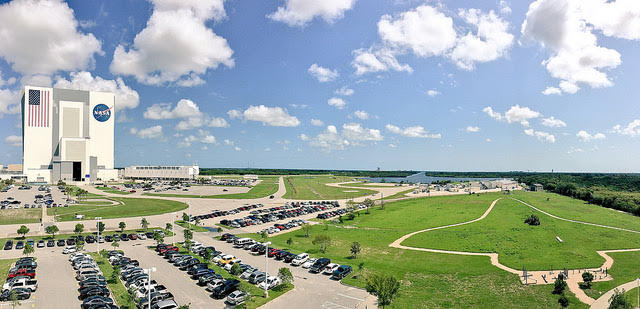
Participants gain VIP access to NASA’s facilities, meet and hear from scientists, and, at this particular event, visit the OSIRIS-REx rocket up close and watch it launch into space. OSIRIS-REx is the first U.S. mission to carry samples from an asteroid back to Earth.
One of the events we attended relates to the “Big Idea” of Climate Response. Scientists discussed the Journey to Mars mission, which includes plans to send humans to Mars in the 2030s, and how they are preparing for life on Mars.
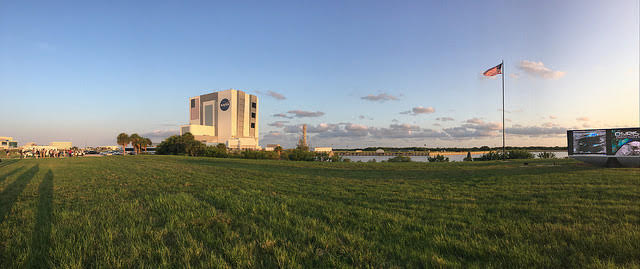 Gioia Massa, the Science Team Leader for the veggie system at NASA, shared some vegetables with us that she had grown in an environment similar to the International Space Station. Scientists shared sustainability practices that would make life on Mars easier—e.g. 10 pounds of space trash can be used to create seven pounds of rocket fuel. NASA even had to “reinvent digging” to conceptualize digging in an extremely low gravity environment such as Mars.
It was fascinating to hear directly from NASA’s scientists how carefully they are planning a trip to Mars and make the experience as sustainable as possible. NASA’s considerations of the climate on Mars translate to the climate issues and sustainability challenges we’re facing on Earth.
See photos I took at NASA here.